Unlock the Cosmos: Mastering Holographic Dreamy Sky Backgrounds
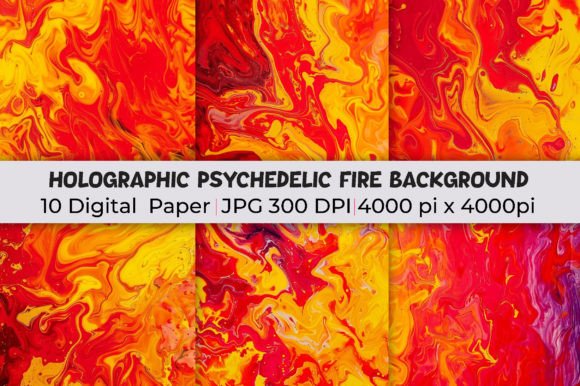
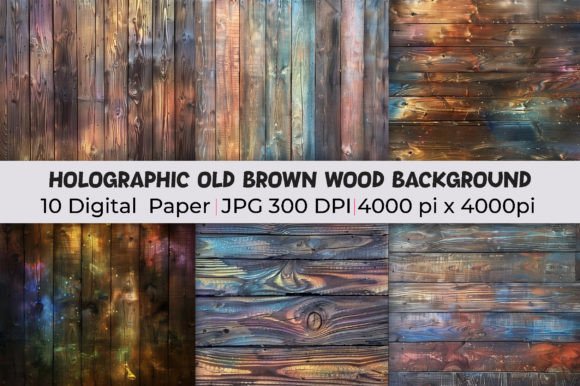
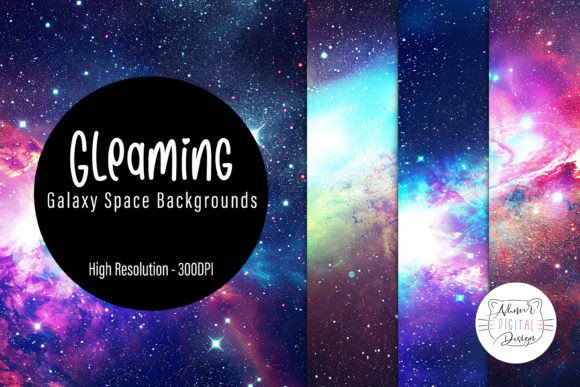
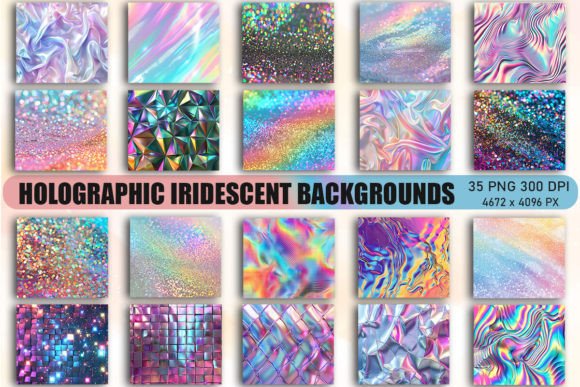
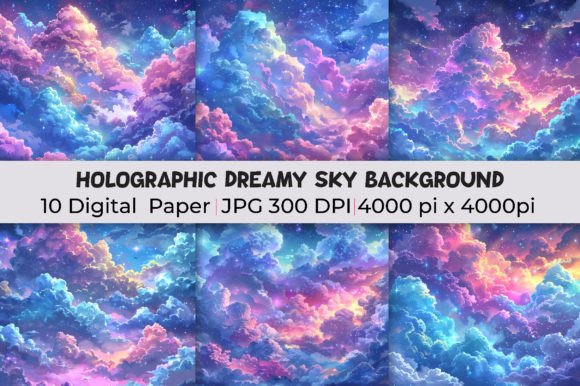
If you’ve spent any time scrolling through modern design trends lately, you’ve likely noticed a shift away from flat, static imagery toward something more fluid and immersive. We are seeing a massive resurgence in textures that mimic natural phenomena, but with a digital twist. Specifically, Holographic Dreamy Sky Backgrounds have become a staple in the toolkit of forward-thinking creators. These aren't just random splashes of color; they are carefully curated digital assets that bridge the gap between organic fluidity and high-tech aesthetics. When you look at a high-quality holographic sky texture, you see a blend of vibrant hues—think deep indigos melting into electric pinks and soft lavender—that creates a sense of infinite depth.
What makes this specific collection stand out is the "dreamy" aspect. Unlike harsh gradients or grunge textures, these backgrounds possess a soft, ethereal personality. They evoke a sense of wonder and innovation, making them perfect for projects that need to feel both futuristic and approachable. The intricate details, often mimicking the behavior of alcohol inks or light refractions, provide a richness that flat design simply cannot achieve. For a designer, this means you aren't just filling a negative space; you are adding a layer of narrative to your work. The visual style is undeniably luxurious, offering a sophisticated backdrop that commands attention without overwhelming the subject matter.
Where These Textures Shine: From Brand Identity to Digital Marketing
Understanding the versatility of Holographic Dreamy Sky Backgrounds is key to maximizing their potential. In the realm of brand identity, these assets are goldmines for businesses trying to position themselves as innovative, creative, or luxurious. Imagine a skincare brand or a tech startup using these backgrounds for their packaging design. The holographic quality suggests premium ingredients or cutting-edge technology. It’s an immediate visual cue to the consumer that this is a high-value product. For logo design, using a subtle slice of a dreamy sky texture within a wordmark or icon can create a memorable focal point that sets a brand apart from competitors using standard sans serif font or serif font combinations on plain white backgrounds.
For those in the digital space—marketers, bloggers, and social media managers—these backgrounds are essential for stopping the scroll. We live in a fast-paced content environment where visual hierarchy is everything. A social media graphics strategy that utilizes these 4000x4000 pixel images ensures that your content is crisp on high-resolution screens, from Retina displays to large desktop monitors. Think about podcast covers, YouTube thumbnails, or Instagram story templates. When you overlay a bold display font or a flowing script font over a holographic sky, the contrast creates immediate readability and visual pop. It transforms a standard announcement into an event.
Strategic Design: Integrating Holographic Skies into Your Workflow
Simply downloading a file isn't enough; you need to apply it with intention. One of the most common pitfalls in modern design is clashing aesthetics. Because these Holographic Dreamy Sky Backgrounds are vibrant and complex, they require a thoughtful approach to typography and layout. If you are working on editorial design or a magazine spread, you might find that a premium font with clean lines—like a geometric sans serif font—works best. The simplicity of the typeface allows the intricate background to breathe, ensuring the text remains legible while the overall design feels cohesive.
Conversely, if you are designing for a wedding invitation or a high-end boutique, pairing these backgrounds with an elegant serif font or a delicate handwritten font can amplify the romantic, dreamy vibe. The key is to treat the background as a supporting actor, not the lead. It should enhance the message, not drown it out. For example, when creating a hero image for a website, consider using a gradient overlay or a "frosted glass" effect over a portion of the holographic image. This creates a safe zone for your text, maintaining readability while keeping that high-end aesthetic intact.
Practical Application: Testing and Commercial Use
When evaluating whether these design assets fit your project, look at the resolution and the color palette. With these assets being 4000 pixels by 4000 pixels, they offer tremendous flexibility. You can crop them significantly for web design banners without losing quality, or use them full-bleed for large-format print materials like event backdrops or posters. The "alcohol ink pink texture" style mentioned in the collection is particularly effective for spring campaigns, beauty products, or any project targeting a demographic that appreciates modern, artistic flair.
Here is a practical checklist for integrating these backgrounds effectively:
- Evaluate the Mood: Does the vibrant, cosmic energy of the background match the tone of your copy? It works brilliantly for launch announcements and sales, but might be too energetic for serious corporate reports.
- Test Font Pairings: Before finalizing, overlay your chosen typeface on the image. If you are using a busy creative font, you may need to add a drop shadow or a semi-transparent box behind the text to ensure it pops.
- Check Commercial Licensing: Always verify the usage rights. Since these are high-quality JPGs, they are likely intended for broad commercial use, allowing you to use them in client work, merchandise, and digital products without legal headaches.
- Maintain Consistency: If you use one of these backgrounds for a specific campaign, try to use similar color grading or lighting effects in other assets to maintain a unified brand identity.
Ultimately, the goal of using Holographic Dreamy Sky Backgrounds is to inject life into static designs. Whether you are a small business owner creating your own flyers or a professional designer building a portfolio, these assets provide a shortcut to high-end aesthetics. They bridge the gap between amateur and professional by providing that depth and sophistication that is hard to create from scratch. By treating these backgrounds as a fundamental part of your visual strategy rather than just decoration, you can elevate your projects, engage your audience more deeply, and create a visual language that truly stands out in a crowded market.