Give Your Projects Raw Authenticity with Ripped Paper Texture Backgrounds
There’s a certain kind of digital perfection that feels cold. We’ve all seen it—the flawless gradients, the sterile white spaces, the graphics so clean they feel almost sterile. But creativity, real creativity, has texture. It has grit. It has a human touch. That’s the exact vibe you capture when you work with Ripped Paper Texture Backgrounds. This isn't just another set of digital papers; it's a toolkit for adding immediate depth, character, and a touch of raw, handmade feel to any project.
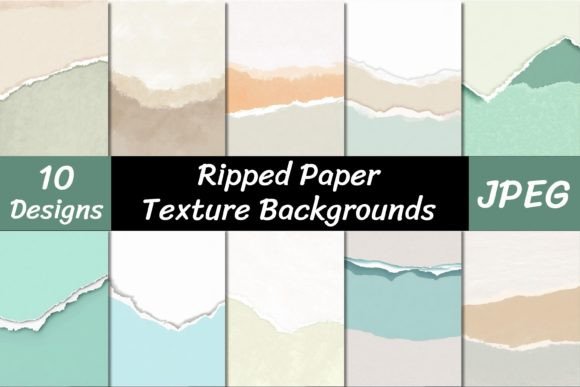
So, what exactly are we talking about? Imagine the edge of a torn notebook page, the jagged fibers of construction paper pulled apart, or the soft, feathered tear of old parchment. This digital paper pack gives you that exact visual personality in a high-resolution, easy-to-use format. The appeal is in its imperfection. The irregular edges and subtle shadows create a sense of depth and realism that flat color blocks simply can't achieve. It’s a style that communicates authenticity, craftsmanship, and a story—perfect for anyone looking to stand out in a sea of generic design assets.
Where This Texture Truly Shines
The beauty of a versatile texture like this is its wide-ranging application. It’s a chameleon, adapting to the needs of different projects while adding its signature tactile quality. Think beyond just a background; consider it a foundational layer for your entire visual narrative.
- Brand Identity & Packaging: For a small-batch coffee roaster, an artisanal baker, or a handmade soap company, Ripped Paper Texture Backgrounds are a goldmine. Use them as the base for your logo design, on your product labels, or across your website to instantly communicate a handcrafted, authentic brand identity. The texture says “made with care” before a customer even reads a word.
- Editorial & Publishing Design: Magazines, blog headers, and book covers thrive on visual interest. These textures are perfect for creating standout pull quotes, chapter title pages, or feature article headers. They add a layer of editorial design sophistication that engages readers and sets a specific mood, whether it's vintage, rustic, or edgy.
- Digital & Social Media Graphics: In the fast-scroll world of social media, a post with texture stops the thumb. Use these backgrounds for Instagram stories, Facebook ads, or Pinterest pins to make your text and images pop. They add a professional, considered look to your social media graphics that builds brand consistency and recognition.
- Marketing & Web Design: Break the monotony of a standard website layout. A ripped paper texture can be used as a creative divider between sections, as a background for a call-to-action box, or as a frame for testimonials. In email marketing, it can make your newsletter feel more like a personal note than a mass broadcast.
- Personal & Craft Projects: For the hobbyist or crafter, the possibilities are endless. Use these digital papers for scrapbooking layouts, custom greeting cards, party invitations, or as a unique background for digital planners. It’s a premium font of creativity—wait, a premium asset of creativity—that brings a tangible feel to digital creations.
Making the Texture Work for You: Practical Tips
Introducing a strong texture requires a thoughtful approach to maintain readability and visual hierarchy. Here’s how to integrate these backgrounds effectively.
Choose Your Pairings Wisely. The ripped paper texture is a display element with a lot of personality. It needs a partner that can balance it. For body text or detailed information, pair it with a clean, highly readable sans serif font or a classic serif font. The contrast between the organic texture and a structured typeface creates a beautiful tension. Avoid using another highly decorative script font or handwritten font over it, as that can quickly become visual noise.
Test for Readability. Always place your text over the texture and zoom out to check legibility. If the texture is too busy or the color too similar to your text, it will fight for attention. A simple trick is to add a subtle, semi-transparent solid color overlay or a soft drop shadow behind your text block to ensure it remains the focal point.
Understand the File Specs. This pack includes 10 high-resolution JPEGs at 3600x3600 pixels and 300 DPI. That’s a crucial detail. This high resolution means you can use these textures for large-format print projects—like posters, trade show banners, or packaging—without any loss of quality. You’re getting commercial-ready design assets from the start.
Remember the Practicalities. The files are delivered in a zipped folder. Before you get creative, ensure you have an unzipping utility like WinZip or WinRAR installed. This is a small but essential step to access your new tools. Also, always check the licensing for any commercial font or asset you use. This pack is designed for both personal and commercial projects, giving you the freedom to use it in client work and products for sale.
Ultimately, Ripped Paper Texture Backgrounds